The High-Altitude Balloon: The Horizon from 30 km Up
🌅 Horizon & curvature
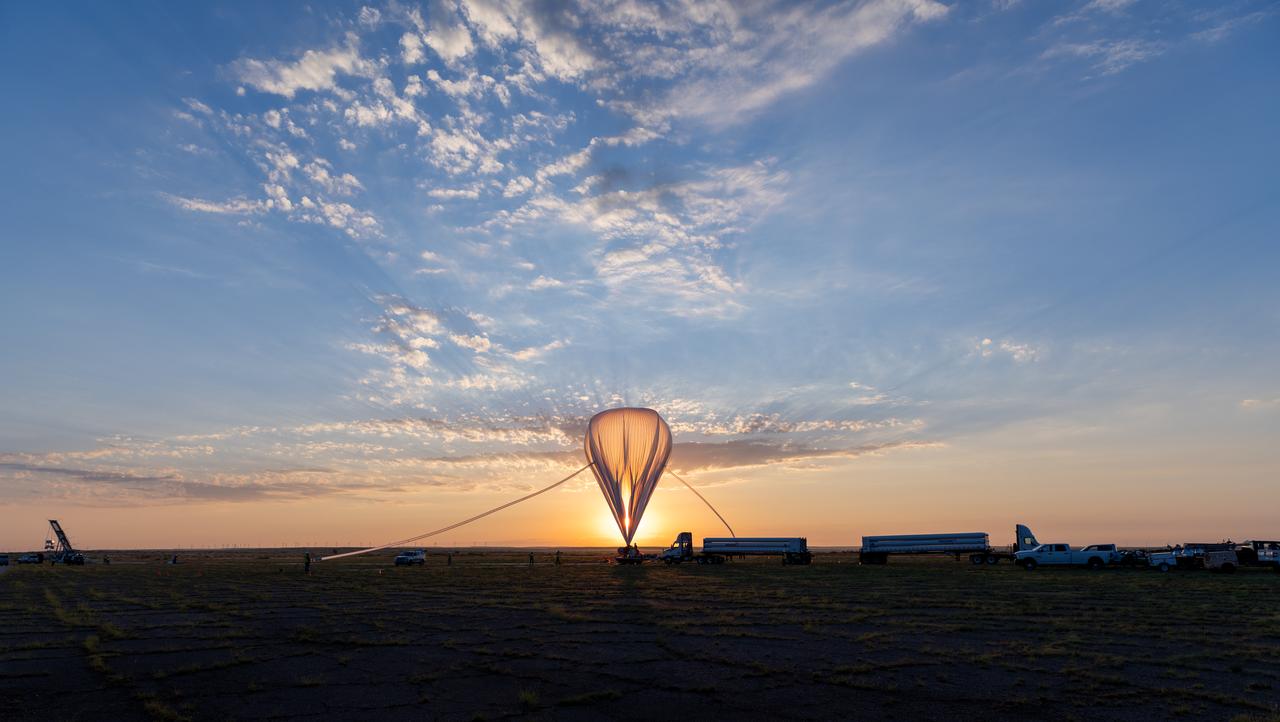
The claim
"From high up the horizon is perfectly straight - any curve you see is a lens effect."
How to test it
Fly a camera to high altitude (30-40 km) on a weather-balloon-style flight with a wide field of view, and compare the horizon's shape against the lens distortion. David Reynolds did this in 2018 with a 90° field-of-view camera; his gallery includes a calibration photo so the lens distortion can be checked.
What you should see
The horizon is curved, exactly as the globe predicts - even in the part of the frame where the lens's slight barrel distortion bends the other way and cancels some of the curve. At 30 km the horizon is about 620 km away, and the surface drops about 30 km below your line of sight.
History
Reynolds's 2018 flight: the lens has a very slight barrel distortion, but the horizon is still curved as the globe predicts. His gallery of screenshots includes a calibration photo and a screenshot with the horizon below the centre of the frame, where the curve is still present.
Why it matters
The higher you go, the more curvature you should see - and that is exactly what you see. The lens-distortion defence fails because the calibration photo shows what the lens does to straight lines, and the curve remains.