The Hammer and the Feather: A Drop on the Moon
2 Aug 1971
Prediction
Galileo's equivalence principle: in a vacuum, all objects fall at the same rate, whatever their mass or density. The 'density vs air' model predicts the feather should fall slower - but only if there is air to provide the difference.
The test
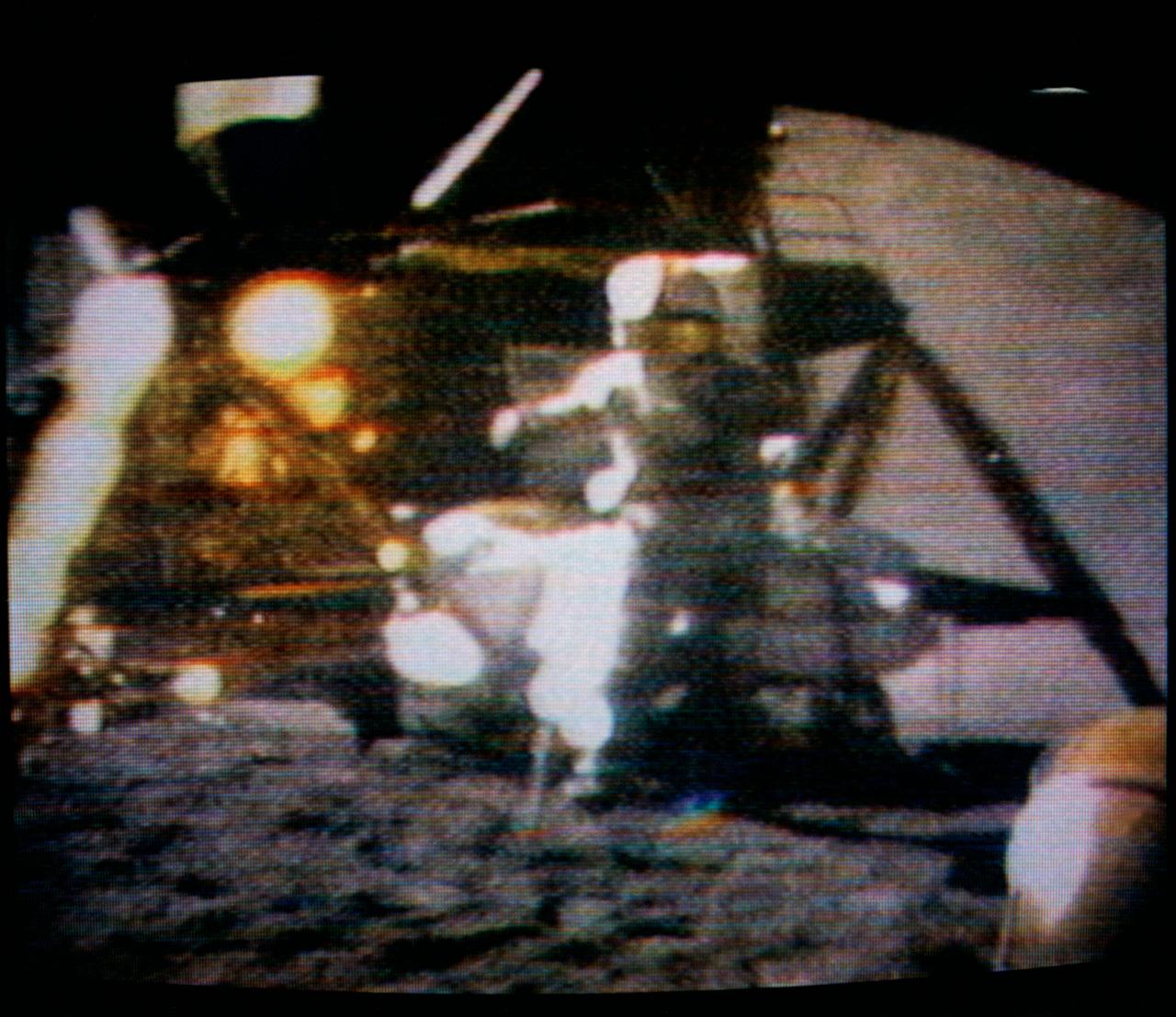
Apollo 15, astronaut David Scott dropped a hammer and a feather at the same time on the airless Moon, broadcast live on TV. The Moon has no atmosphere, so there is no air to slow the feather - the only variable left is gravity.
The result
The hammer and the feather hit the ground at exactly the same instant. On Earth the same experiment needs a vacuum chamber - and gives the same result.
The reaction
One of the most-watched demonstrations of the Apollo program. It confirmed a 400-year-old prediction (Galileo) from 385,000 km away, on live television, with no way to fake a vacuum.
Why it matters
The vacuum removes the only factor (air) that could make the feather fall slower. When that factor is gone, mass and density don't matter - exactly as the globe model's gravity predicts. A live broadcast from the Moon, which the flat model cannot explain.